Culture
Lesotho is classified as a Least Developed Country, but you'd rarely sense that just from living in the capital, Maseru. The main commercial district is lined with large shops and office buildings, and there are even shopping malls. Step outside Maseru, however, and you'll find many people still living simple, traditional lives much as they have for generations.
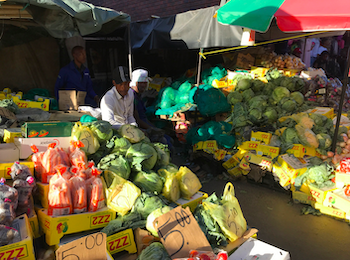
A row of stalls along a back street in Maseru. Streets lined tightly with stalls like these may be one of the most characteristic sights of Maseru.
Housing
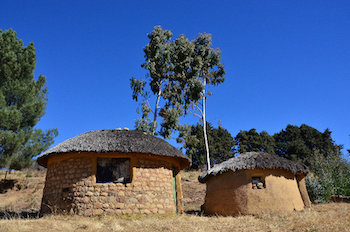
The traditional dwelling in Lesotho is called a "mokhoro." Many houses, especially in rural areas, are of this type, with walls typically built from large stones or sun-dried bricks. Concrete blocks are also commonly used today.
Dress
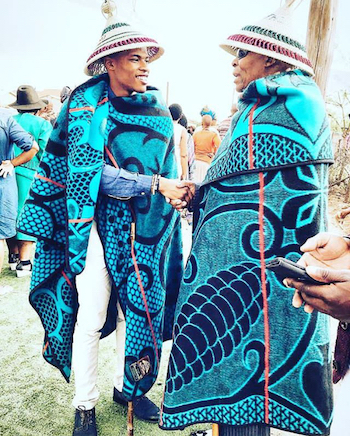
Traditional dress centers on a thick woolen blanket known as the Basotho blanket, which is wrapped around the body. It's simple, but extremely warm — a practical solution born of Lesotho's harsh winters. While it's worn as everyday clothing, it also serves as formal wear and a symbol of national identity. The cone-shaped hat is known as the Basotho hat, and it even appears on the national flag.
Food
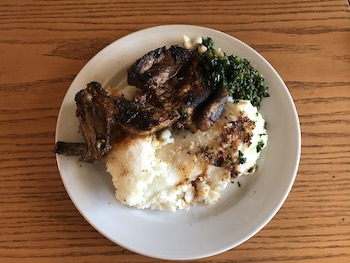
Much of the cuisine follows traditional African patterns, though British influence is noticeable in urban areas. As in many other African countries, everyday meals typically consist of "papa" (maize meal mixed with hot water), grilled chicken or pork, and stewed vegetables. Offal is enjoyed alongside the meat itself. In rural areas, people often eat dishes made from livestock — cattle, sheep, and so on — that they raise for subsistence. Overall, the diet can be described as very simple.